15 Days in Peru: A Laid-Back Luxury Itinerary
Last update: February 7th, 2026 · Curated by THE FINE CIRCLE
If you’re planning 15 days in Peru, this laid-back luxury itinerary is your blueprint. Think Lima for food, a soft landing in the coastal desert, thin-air mornings in Cusco and the Sacred Valley, one magical night on Lake Titicaca, and white-stone evenings in Arequipa and the Colca Canyon—with good sheets, real cocktails, and zero group tours.
This two-week Peru itinerary is built for people who like slow travel, design hotels and local restaurants more than ticking off 10 ruins a day. You’ll start in Lima’s cliffside neighbourhoods, slip down to Paracas and the dunes, then fly up to Cusco, pause in the Sacred Valley at a Belmond hideaway with alpacas, cross to the floating islands of Lake Titicaca for a night at Casitas del Titicaca, and finish in Arequipa with a side of Colca Canyon condors.
Use it as your 15 days Peru itinerary template: adjust nights, choose among the alternative hotels, and plug in your own favourite addresses—but keep the pace. Peru feels infinitely better when you don’t rush it.
How we curated this edit
We don't recommend from a distance. Every place in this edit has been experienced firsthand by THE FINE CIRCLE. We pair those visits with trusted local knowledge and independent research, then keep the list tight. The result: places we genuinely believe are worth your time. Think of it as the places we'd actually send a friend to.
Days 1–3: Lima – cliffside soft landing, food first, sightseeing later
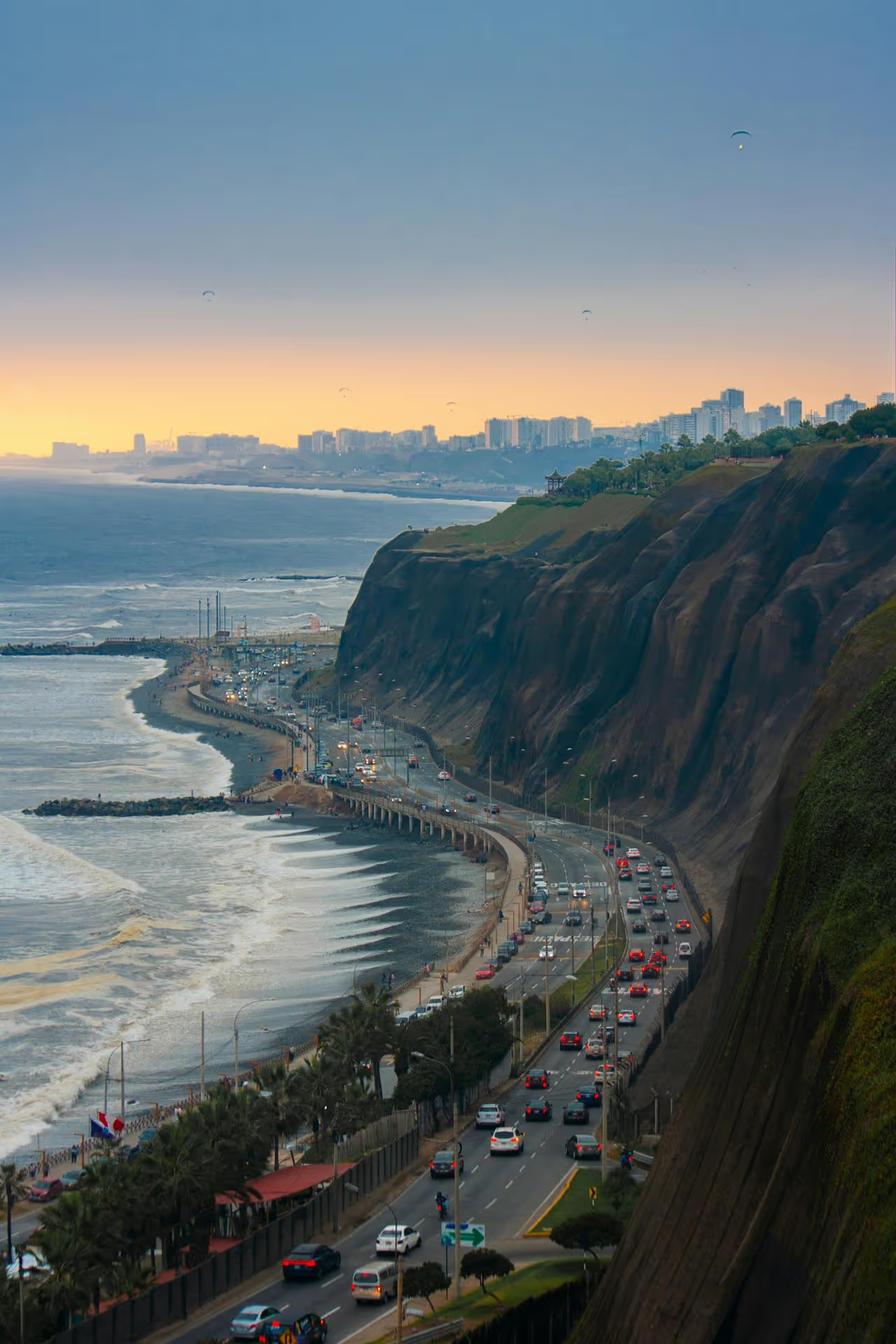
Land in Lima and pretend you live in either Barranco or Miraflores from day one. Barranco is the bohemian friend with good playlists; Miraflores is the polished one who always somehow gets upgraded. Check into Miraflores Park if you’re a sucker for a Pacific-view pool and morning runs along the clifftop.
Your first days are about eating the city, not “doing” it. Slide into Mérito in Barranco for that small-room, big-ideas energy where every plate feels like someone’s favourite meal gone glamorous. Book Kjolle for one of your big nights: colourful, ingredient-driven tasting menus that feel serious but never stiff. Keep La Mar Cevichería as your daytime ritual—order ceviche, causas and something that looks like it just left the ocean, then surrender to the fact you will not be hungry again for hours. Save Astrid y Gastón for a long lunch or romantic dinner, because it’s the kind of classic you’ll quietly flex about for years. And of course, you cannot skip Mayta: our favourite place to be for a dinner for two. When the sun drops, start the night at Lady Bee with cocktails built on Peruvian ingredients and then end at Ayahuasca in a slightly chaotic Barranco mansion where the pisco is strong, the ceilings are high and the people-watching is elite.
Discover our full Lima guide with our favorite stays, visits, eats and more!
Days 4–5: Paracas & the desert – ocean, dunes, pool, repeat
Once Lima has fed you properly, slide down the coast to Paracas and shift into desert-by-the-sea mode. Base yourself at Hotel Paracas, drop your bags, and immediately claim a lounger; the Paracas National Reserve and the Ballestas Islands can wait until you’ve remembered how to breathe. One afternoon you’ll be out on the water watching sea lions and birds do their thing against that rusty desert backdrop; the next you’ll disappear into the dunes at Huacachina in a buggy, sand in your shoes and sunset in your face, before retreating to the pool and a proper seafood dinner back at the hotel. It’s the perfect mid-itinerary exhale: nothing to tick off, everything to look at.
Days 6–8: Cusco & Sacred Valley – thin air, thick history, alpaca gardens
From sea level you fly straight into altitude drama in Cusco, so the only rule on day one is “walk slow and drink the tea”. Check into Monasterio if you want cloisters, courtyards and that slightly surreal feeling of sleeping inside a museum with better plumbing. Wander up to the central market to pick up a few things you absolutely didn’t need, and let the cobbled streets do most of the work. Evenings are for Andean comfort food and pisco at somewhere like Pachapapa or one of the newer tasting-menu addresses—think local ingredients, fireplace energy and the quiet thrill of realising you’re eating this high above sea level.

Once you’ve flirted with the city, drop into the Sacred Valley and check into Belmond Rio Sagrado, where the Urubamba River slides past the bottom of the garden and alpacas wander around like they own the place. This is your soft-luxury buffer between Inca stones and your next flight: long breakfasts facing the mountains, slow walks through the valley, maybe a detour to Maras and Moray if you want your photos to look like a travel magazine spread. The point here isn’t to collect every ruin; it’s to let the altitude, the light and the landscape sink in while you’re wrapped in blankets with an alpaca staring at you from the lawn.
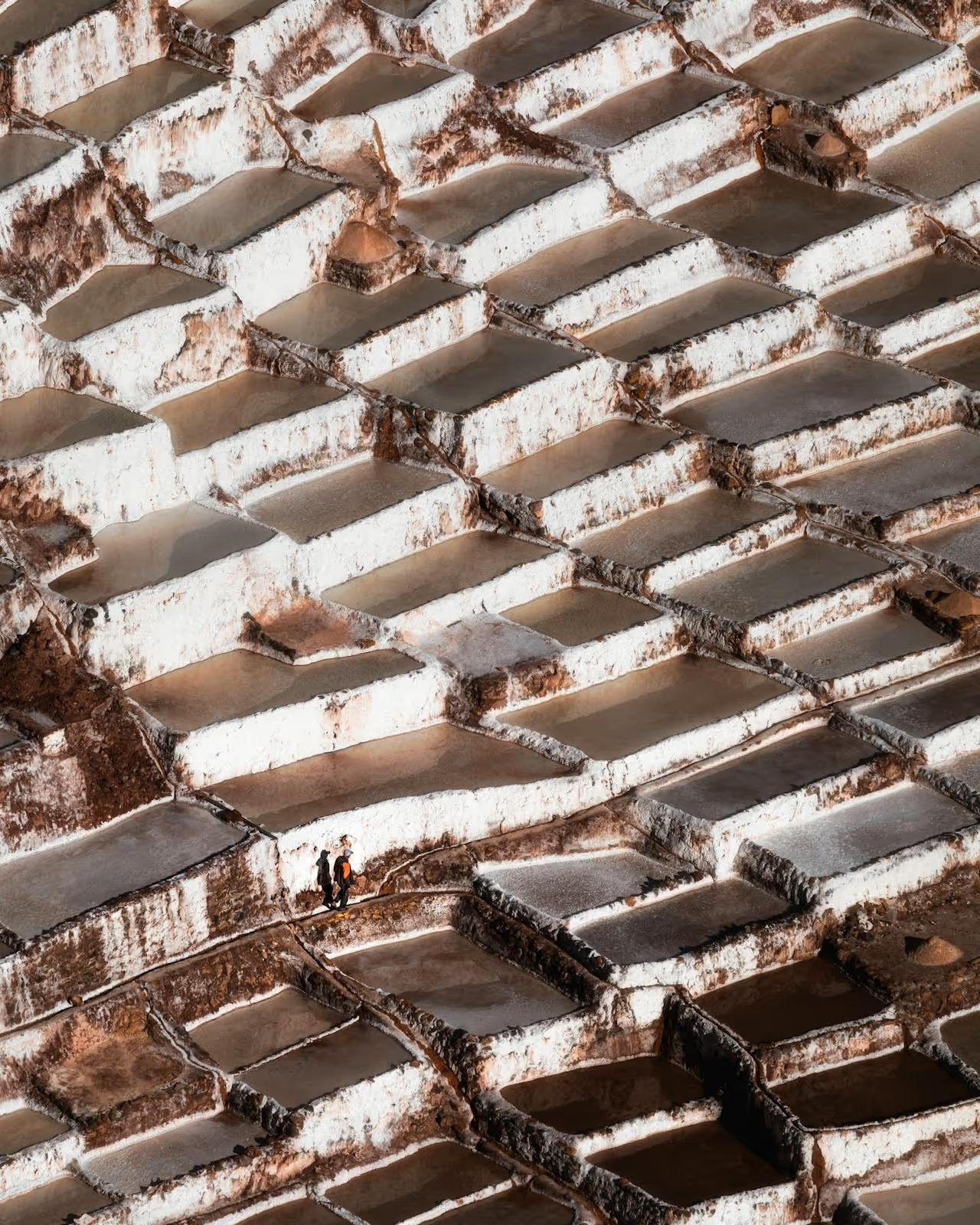
From Cusco you can go full Inca main character, bouncing between the terraces of Pisac, the fortress of Ollantaytambo and the salt pans of Maras and Moray in the Sacred Valley, climbing up to Machu Picchu for the big postcard moment, hiking past the stone jaws of Sacsayhuamán above the city, then pushing it with a sunrise trek to Rainbow Mountain and the blood-red folds of Valle Rojo that look like Peru turned its saturation all the way up just for you.
Machu Picchu is the moment when Peru goes full screensaver and you realise the photos never did it justice. You snake up from Aguas Calientes in that little zigzag bus, step through the gate and suddenly there it is: terraces stacked like green velvet, stone temples hanging above the clouds, llamas casually grazing like they own the view (they do). Go early enough and the whole citadel feels half-asleep, mist curling around the mountains while your guide whispers Inca gossip about sun temples, royal retreats and alignments that have astrologers losing their minds.
Days 9–10: Lake Titicaca – one night floating, a lifetime of bragging rights
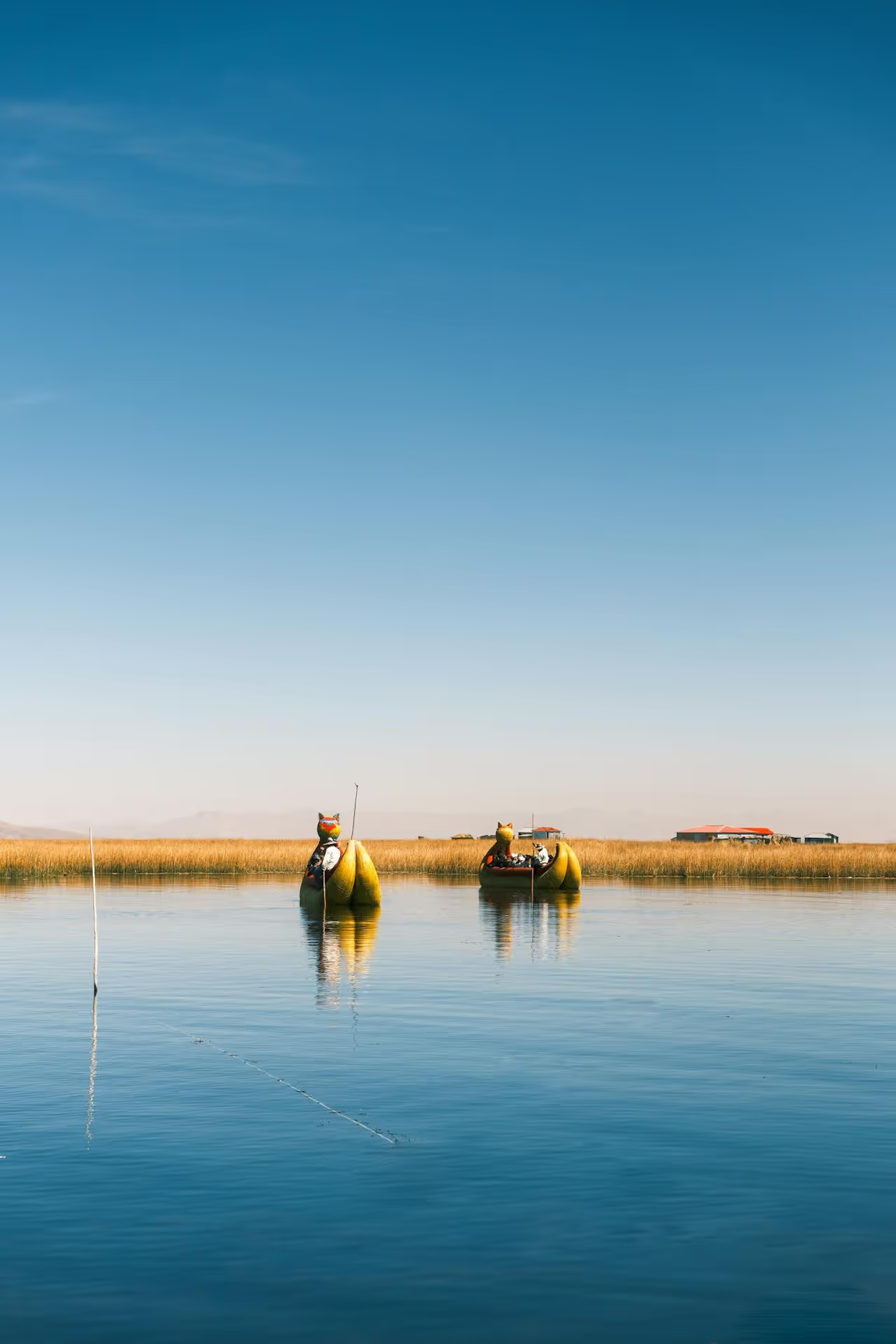
When you’re ready to trade valley greens for high-altitude blue, head to Puno and out onto Lake Titicaca for your floating-island moment. You’re only here for one night, and that’s exactly what keeps it magic. At Casitas del Titicaca you sleep on a small lodge perched on the Uros floating islands, with simple, atmospheric rooms and balconies that open straight onto the lake. Days are for boat rides across the impossibly still water, visits to nearby islands, and the slightly surreal pleasure of standing on reeds that somehow count as land; nights are for watching the sky and feeling like you’ve fallen off the edge of your normal life. The next morning you have breakfast over the water, wave goodbye to your local hosts, and slip back to the mainland to start curving west towards Arequipa.
Days 11–15: Arequipa & Colca Canyon – white city, hot springs, condor gossip
By the time you roll into Arequipa, you’re ready for white-stone drama and proper city energy again. Check into CIRQA if you like your hotels carved out of history and styled by people who care deeply about design; think stone arches, polished concrete, soft light and a restaurant you’ll happily eat in more than once. Spend a day drifting between the Plaza de Armas, the technicolour walls of the Santa Catalina Monastery and whichever terrace happens to have the best view of El Misti that afternoon.
Then comes your canyon chapter. Drive out to the Colca Valley and check into a lodge tucked into the slopes—maybe with its own hot springs, maybe with private plunge pools facing the terraces below—but always with enough quiet to hear your own thoughts for once. Afternoons are for soaking in thermal waters and watching the light move across the valley; mornings are for the Cruz del Cóndor lookout, where enormous Andean condors ride the thermals right in front of you like they know you flew all this way just for them. It’s theatrical, a little absurd, and exactly the kind of story your group chat wants.
On your last days you drift back to Arequipa, squeeze in one more slow breakfast in the cloisters or on the rooftop, then catch your flight to Lima and home. Fifteen days in Peru later, you’ve eaten Lima properly, tasted the coastal desert, slept in cloisters, gardens and on reeds, watched condors, and wandered among the majestic, mysterious ruins and worlds of the Incas and pre-Incas.