7 Hidden Cultural Gems in Europe
Last update: August 18th, 2026 · Curated by THE FINE CIRCLE
Europe is a unique destination for art and culture addicts. The problem is that most of the times the destinations are always the same: are you tired of big cities, crowded museums and mainstream destinations? This guide is for you! Here our best choices for hidden cultural treasures in Europe. Explore these towns in a weekend or a city escape and enjoy the trip with your friends, family or loved one!
How we curated this edit
We don't recommend from a distance. Every place in this edit has been experienced firsthand by THE FINE CIRCLE. We pair those visits with trusted local knowledge and independent research, then keep the list tight. The result: places we genuinely believe are worth your time. Think of it as the places we'd actually send a friend to.
1. Matera, Italy
Matera was the European capital of culture for 2019, which made it way more known to the crowds and tourists - it even attracted James Bond! However, the atmosphere of the city located in the South of the Italian peninsula remains unique. It is a city build on stones and caves, you will be surrounded by charming landscapes and alleys.
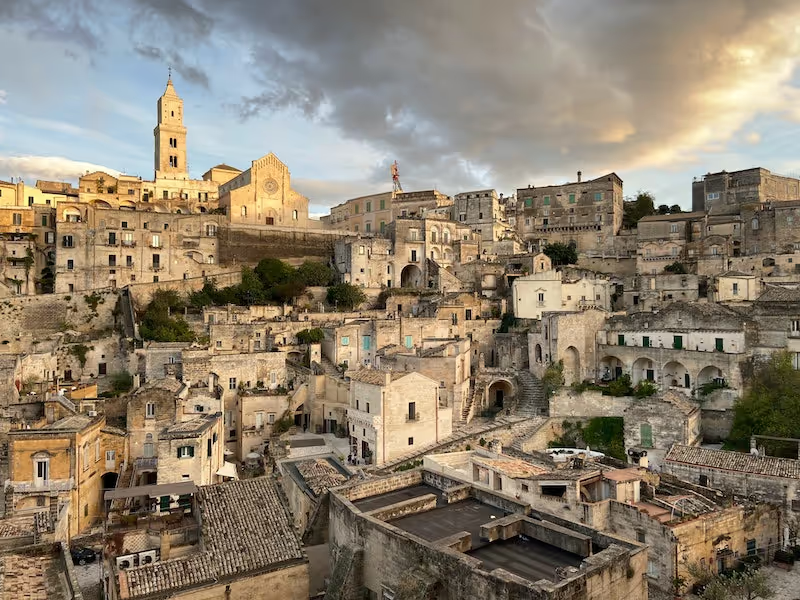
Worth knowing: in the Sixties the caves were cleared and until recently, remained derelict. But first squatters, then artists and now entrepreneurs have returned to the caves along with cafés, galleries, restaurants and, above all, hotels, sparking a renaissance in Matera’s fortunes.
2. Coimbra, Portugal
Coimbra, a riverfront city in central Portugal and the country’s former capital, is home to a preserved medieval old town and the oldest university in the country. The oldest university in Portugal is a World Heritage Site, high on a hill in the middle of the city. You can indeed scale the 180 steps in the 16th-century tower at the highest point of the university for an awesome perspective of the city.
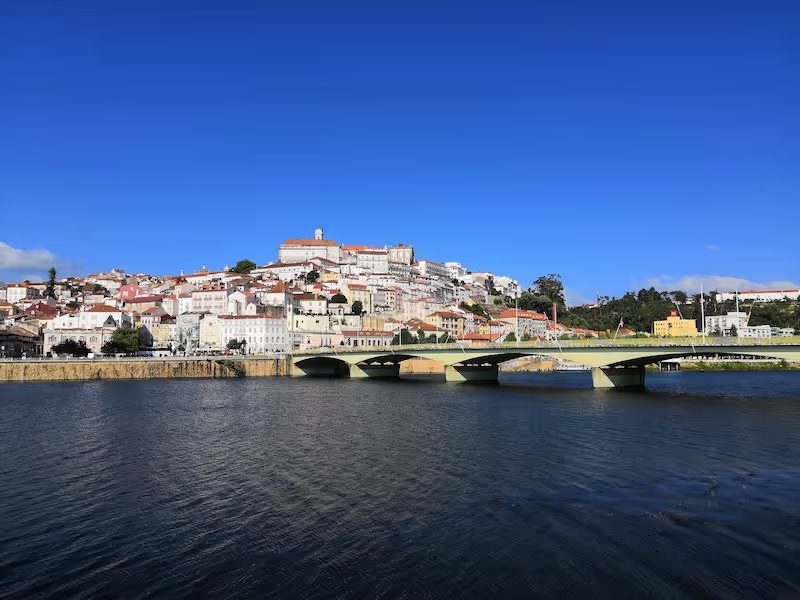
Worth knowing: as a tourist, there are three distinct aspects to Coimbra: the modern city, the university and the ancient past. Modern Coimbra is a city energised by the large student population, boasting a colourful nightlife and blossoming artisan scene. Strangely, Coimbra is often rushed through by foreign visitors or worse simply overlooked - but as soon as you will spend some time in Coimbra you will discover a truly magical city.
3. Bordeaux, France
Just the name of this glorious city is eponymous with viticulture, and if you’re an aficionado you’re almost duty-bound to come to the home of wine. You don’t need to be told that there’s a world of prestigious châteaux and smaller wineries to locate and visit. But you might not be aware of the brand new Cité du Vin, a 21st-century architectural demonstration of what wine means to the city and the rest of the world.
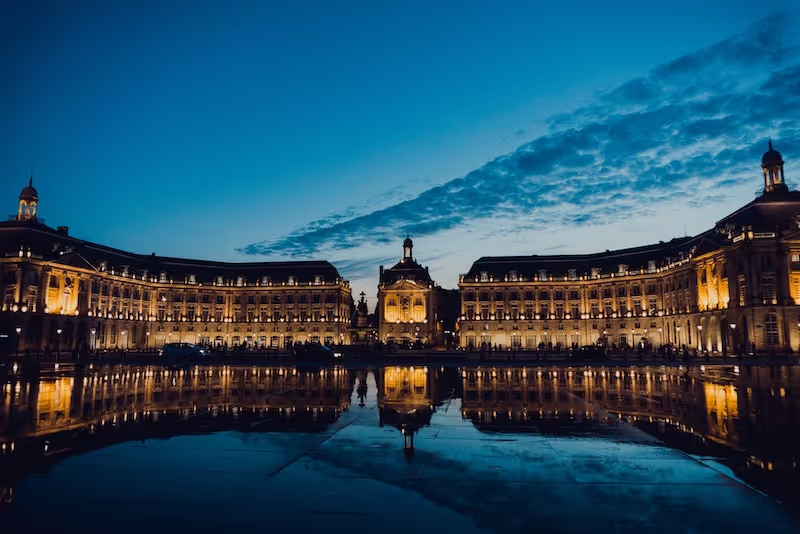
Worth knowing: Bordeaux is more than just sipping Grand Cru Classé at châteaux: it’s a beautiful and compact city who’s been getting a shiny facelift over the last few years. Known as the Sleeping Beauty, Bordeaux’s 350 listed buildings now gleam a honey-gold.
4. Toledo, Spain
Toledo is an incredibly cultural city: it has seen numerous different cultures and dynasties pass through its walls, as well as wars, royalty, and artists. The legacy that it guards is an essential part of Spanish culture, so visiting Toledo is bound to be a very unique experience.
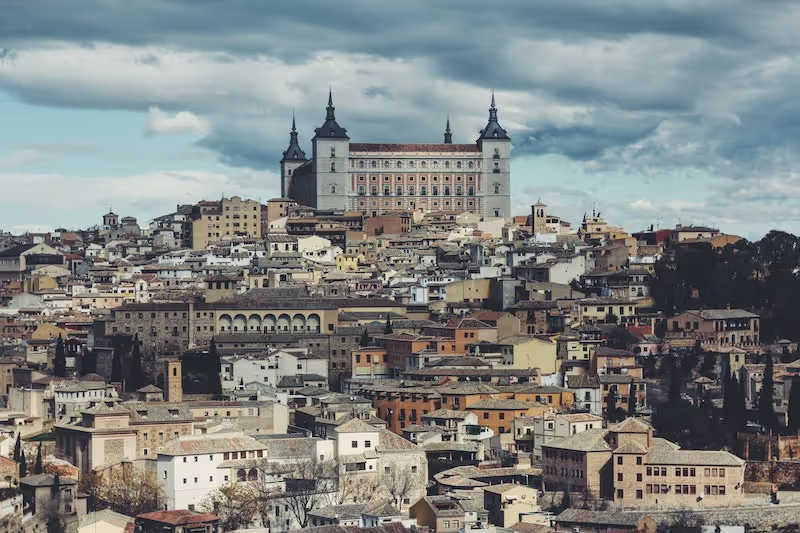
Worth knowing: Toledo’s Cathedral is one of the most important places to visit when in this beautiful city. It is a grand monument built in Gothic style with an obvious French influence, and there are those who say that it is the best and most impressive building in that style in the entire country. The Alcázar is located on the highest part of the city, so it is not only a great place to visit to learn about the history and culture of Toledo, but it is also worth seeing for its stunning panorama. The Monasterio de San Juan de los Reyes is a Franciscan church that was built under the reign of Elizabeth of Castile, one of Spain’s most powerful queens, with the intention of being used as the royal mausoleum. The building is a breathtaking example of the Elizabethan-Gothic style.
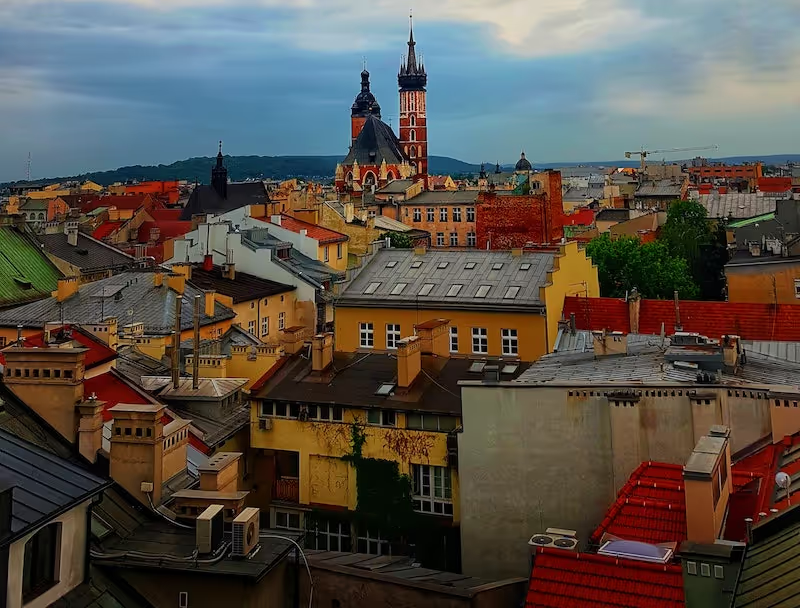
5. Kraków, Poland
Kraków is a city in the South Poland, known for its Old Town and for its Jewish Quarters. The buzzing, bar-packed, café-spotted heart of the UNESCO-attested Kraków Old Town and the Market Square is where all the action has played out since the Middle Ages. Come here for people watching, history, beautiful architecture and more.
6. Taormina, Italy
In the 1800s after the Goethe praised its beauty throughout Europe mentioning it in his book Italian Journey, Taormina became a mandatory stop on the Grand Tour – the long journey made in continental Europe by the young European aristocracy of the time to enrich their own culture. Today, it is a tourist capital of Sicily and many travellers enliven its streets throughout the year.
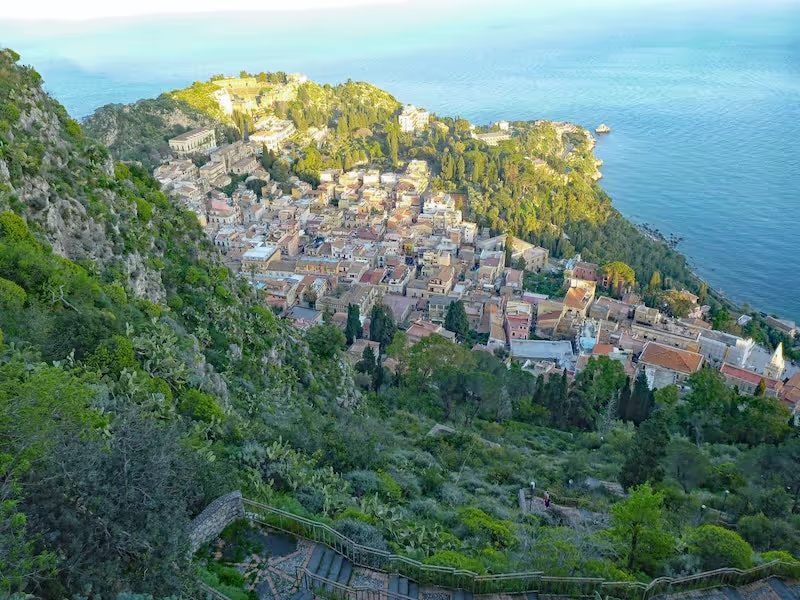
Worth knowing: the ancient Greeks loved to construct their buildings in beautiful scenic locations. Here they found the pairing of Etna and the bay of Naxos, with a wonderful view that when the air is clear can reach the coast of Calabria. The Ancient Theatre is, surely, the main monument of the city, not only for its intrinsic artistic value, but also for the scenic location in which it is placed.
7. Heidelberg, Germany
Up there with Germany’s favourite tourist destinations, Heidelberg is a historic university town that has survived unscathed since the 18th century. You have to come for the Baroque architecture and the phenomenal ruins of the Renaissance castle, which for hundreds of years was home to the Imperial Prince Electors of Heidelberg.
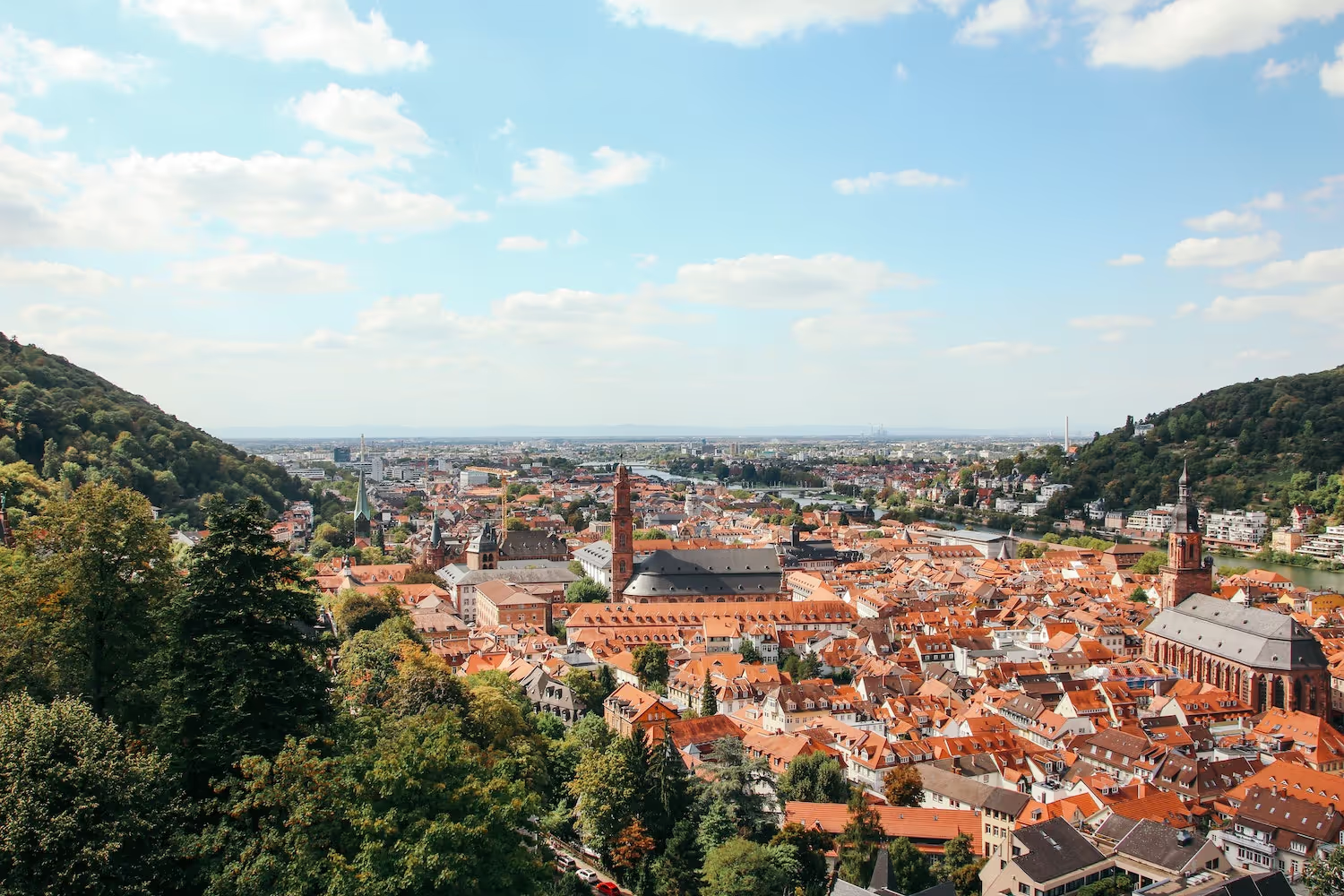
Worth knowing: those ruins have inspired generations of people, most famously the Romantics at the start of the 19th century. Heidelberg’s glorious old town rests in the shadow of the ruins of Schloss Heidelberg. The Altstadt has many of the things people love about German old quarters: sociable squares with bar terraces, cobblestone streets and a catalogue of historic landmarks.