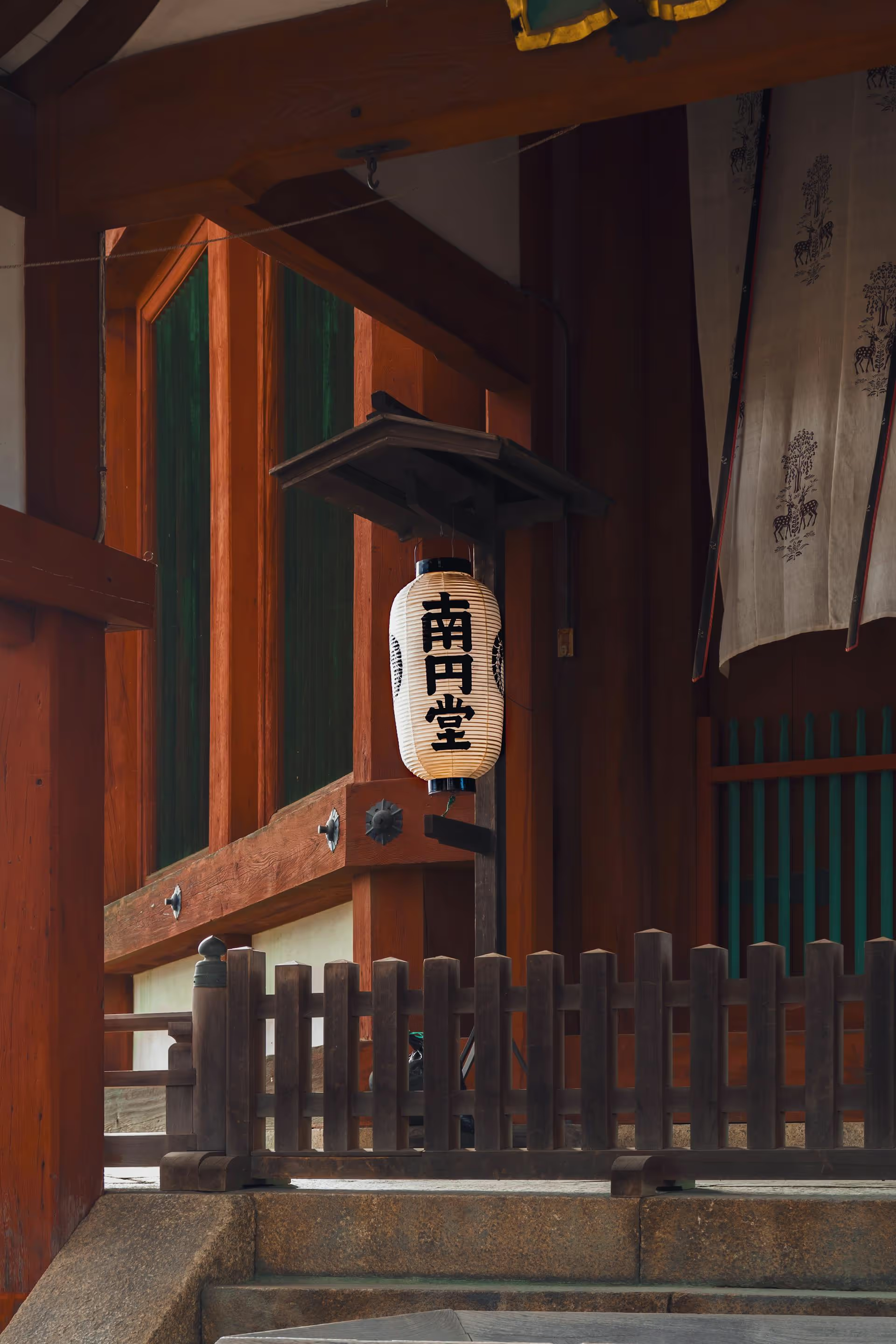
The Best Travel Destinations for Design Lovers in 2026
Last update: August 18th, 2026 · Curated by THE FINE CIRCLE
If your camera roll is full of façades and furniture details, and your idea of a souvenir is a chair sketch or ceramic glaze, this one’s for you.In 2026, travel isn’t just about escape — it’s about aesthetic pilgrimage. From Italy’s alpine chalets to Seoul’s futuristic museums, a new wave of destinations is defining what it means to travel for design. These are the places where architecture, interiors, and culture converge — curated for the design-obsessed, not the casual visitor.
How we curated this edit
We don't recommend from a distance. Every place in this edit has been experienced firsthand by THE FINE CIRCLE. We pair those visits with trusted local knowledge and independent research, then keep the list tight. The result: places we genuinely believe are worth your time. Think of it as the places we'd actually send a friend to.
Milan & the Dolomites, Italy
In summary: where architecture, fashion, and alpine minimalism meet.
The world’s design capital never stops reinventing itself. Milan remains a global magnet for creatives, and 2026 will bring a new era of crossovers between architecture, fashion, and hospitality. Expect next-generation concept hotels, reimagined industrial spaces in Tortona, and bold new galleries tied to Salone del Mobile.
A few hours north, the Dolomites offer design travelers a more elemental experience. Modernist chalets by boutique studios reinterpret wood, stone, and silence — places where sustainability meets alpine serenity. With the 2026 Winter Olympics shining a spotlight on the region, expect architectural lodges and spa-retreats carved into the mountains, balancing raw landscape and high design.
Go to our Milan guide with all our favorite eats, stays, drinks and visits!
Go to our Cortina guide with all our favorite eats, stays, drinks and visits!
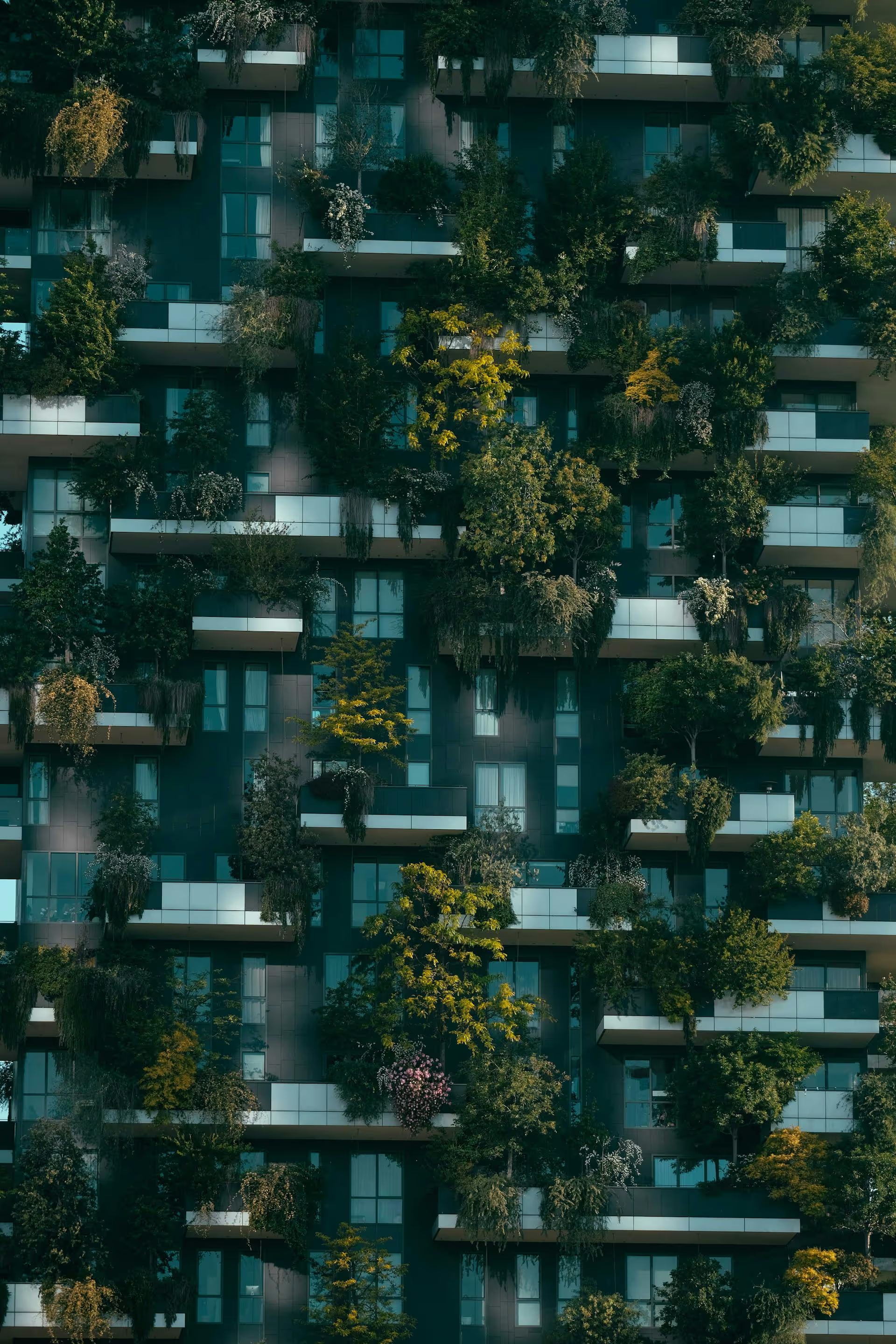
Seoul & South Korea
In summary: the next frontier of urban design and cultural identity.
Seoul is a masterclass in reinvention. Once known for neon skylines, it’s now gaining fame for its architecture-led transformation — futuristic museums, sculptural bridges, and an underground design culture pulsing beneath the city’s surface.
From the curving titanium waves of Zaha Hadid’s Dongdaemun Design Plaza to minimalist hanok hotels in Ikseon-dong, Seoul’s aesthetic blends tradition with digital precision. The city’s young architects and designers are rethinking urban life — merging technology, sustainability, and Korean ritual in spaces that feel distinctly now.
Beyond the capital, Gangwon and Jeju Island are becoming creative sanctuaries — where nature, wellness, and design coexist in striking simplicity.
Go to our Seoul guide with all our favorite eats, stays, drinks and visits!

Barcelona, Spain
In summary: a Modernist rebirth in the city of Gaudí.
2026 marks the 200th anniversary of Antoni Gaudí’s birth, and Barcelona will celebrate in pure design style. Expect special exhibitions, restored façades, and new creative districts emerging around Eixample and El Poblenou.
While the Sagrada Família nears completion, a new generation of Catalan architects is shaping the city’s skyline — more sustainable, human-scale, and craft-oriented. Boutique hotels inside Modernista buildings are returning ornament to its rightful place, while galleries and cafés breathe new life into forgotten courtyards.
Barcelona remains one of Europe’s few cities where design feels like part of daily life, not an event — where you drink coffee under tiled ceilings and shop for ceramics in architectural studios.
Go to our Barcelona guide with all our favorite eats, stays, drinks and visits!

Mexico City & Oaxaca, Mexico
In summary: craft, color, and contemporary calm
Design in Mexico is emotion rendered physical — texture, pigment, and soul. In Mexico City, the architecture scene continues to thrive: think Tadao Ando-inspired minimalism meets Latin warmth. Studios like Taller Héctor Barroso and Esrawe reimagine brutalism through a handcrafted lens. New boutique hotels in Polanco and Roma Norte blur the lines between gallery, atelier, and home.
Down south, Oaxaca is the quieter muse. Its adobe haciendas, design residencies, and artisan workshops make it a pilgrimage for material purists. From handwoven textiles to volcanic-stone architecture, everything is intentional — and profoundly local. 2026 will bring an influx of creative residencies and design-led retreats, connecting visitors directly with artisans shaping Mexico’s new visual language.
Go to our Mexico City guide with all our favorite eats, stays, drinks and visits!
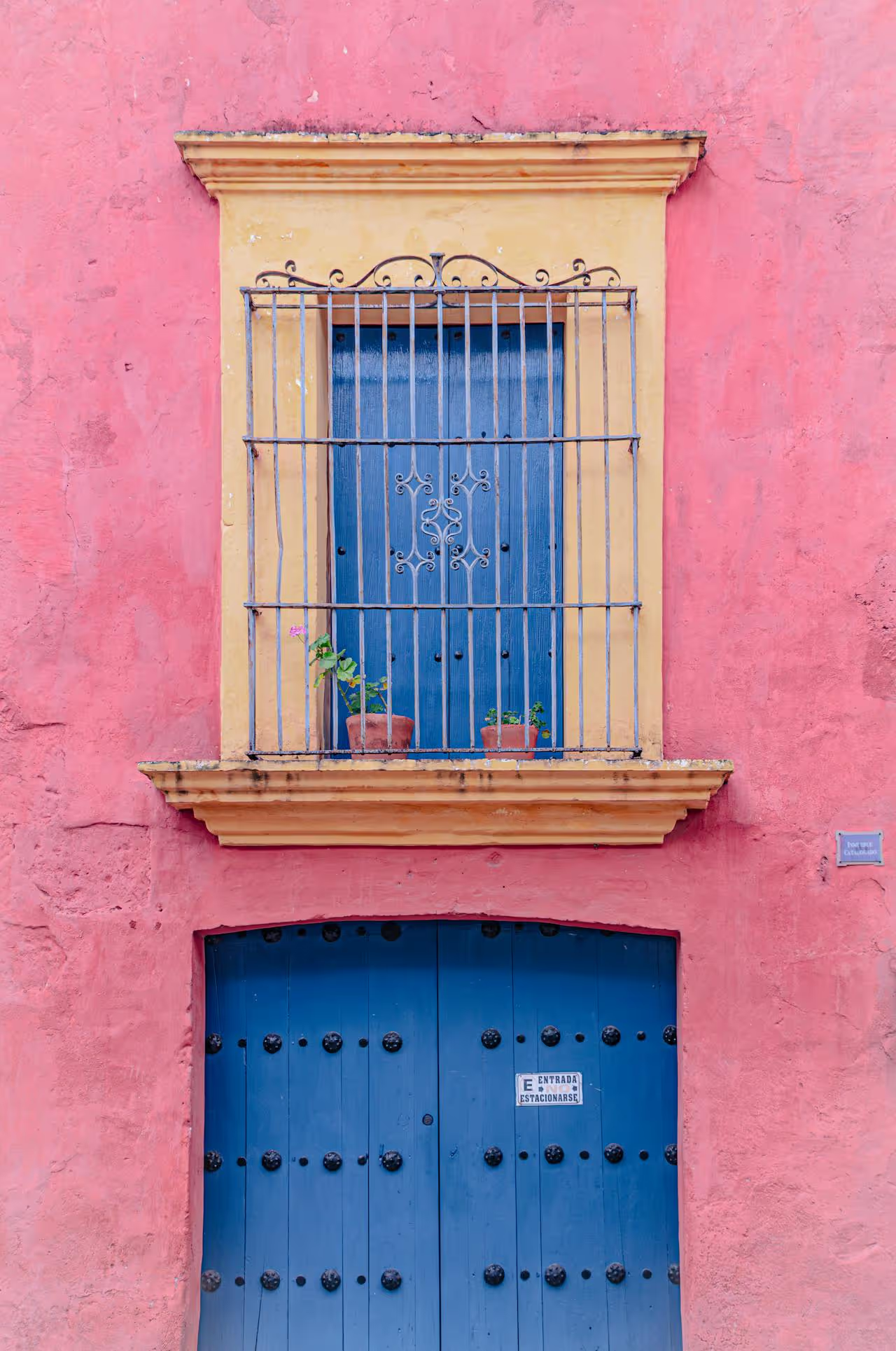
Copenhagen & Danish Design
In summary: the soul of simplicity.
Few cities live and breathe design as effortlessly as Copenhagen. It’s where the “less is more” philosophy feels alive — in cafés, bicycles, and waterfront architecture. In 2026, the city’s design calendar is stacked with new museum openings, design biennials, and sustainable hotel launches.
Expect expansions at Designmuseum Danmark, new waterfront developments that combine wood, glass, and greenery, and hotel concepts rooted in circular design. Copenhagen continues to set the tone for eco-luxury and timeless minimalism, reminding us that beauty doesn’t have to shout.
Go to our Copenhagen guide with all our favorite eats, stays, drinks and visits!
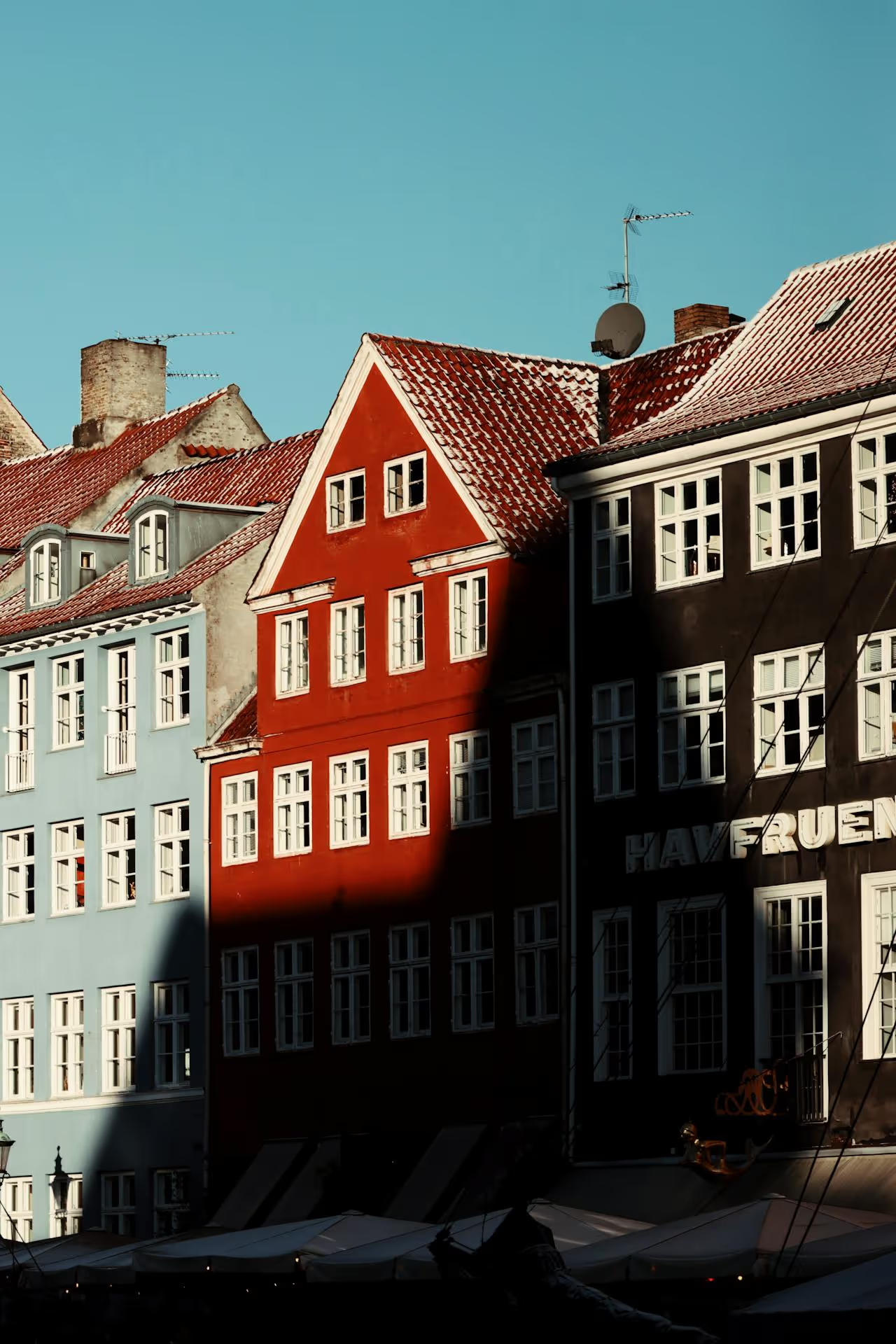
Mallorca, Spain
In summary: Mediterranean calm with a modernist edge.
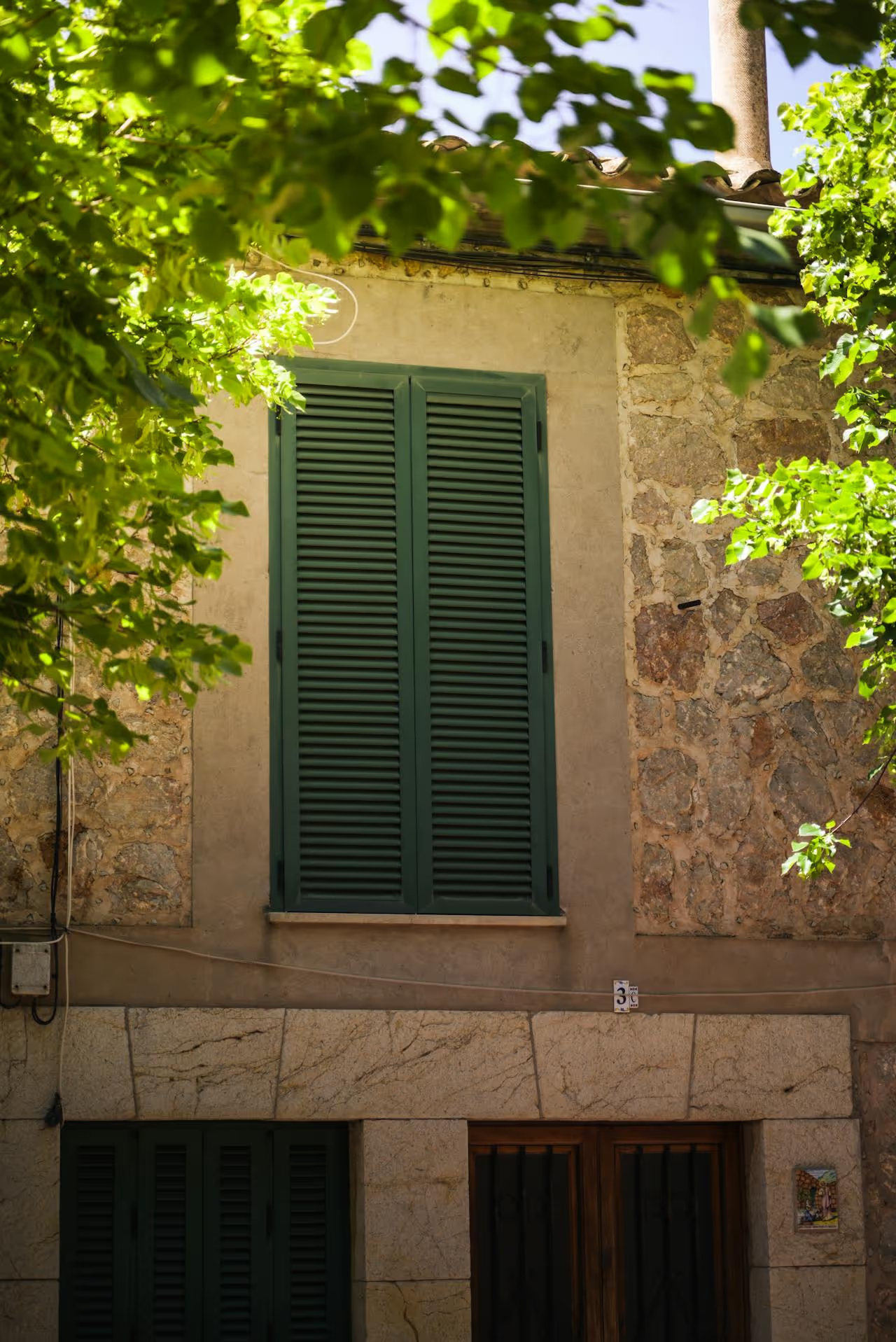
The Balearic Islands are no longer just about beaches. In Mallorca, design has become the quiet language of luxury. Restored fincas and minimalist villas blend local limestone, rustic wood, and soft neutral palettes, creating a new Mediterranean aesthetic — organic, understated, and deeply intentional.
Design lovers are drawn to Mallorca for craftsmanship and slowness: pottery studios in Deià, architecture by OHLAB, the Fundació Miró Mallorca, and boutique hotels that redefine Balearic elegance. Here, every line and surface feels shaped by sunlight.
Go to our Mallorca guide with all our favorite eats, stays, drinks and visits!
Morocco
In summary: craft, geometry, and sensory storytelling.
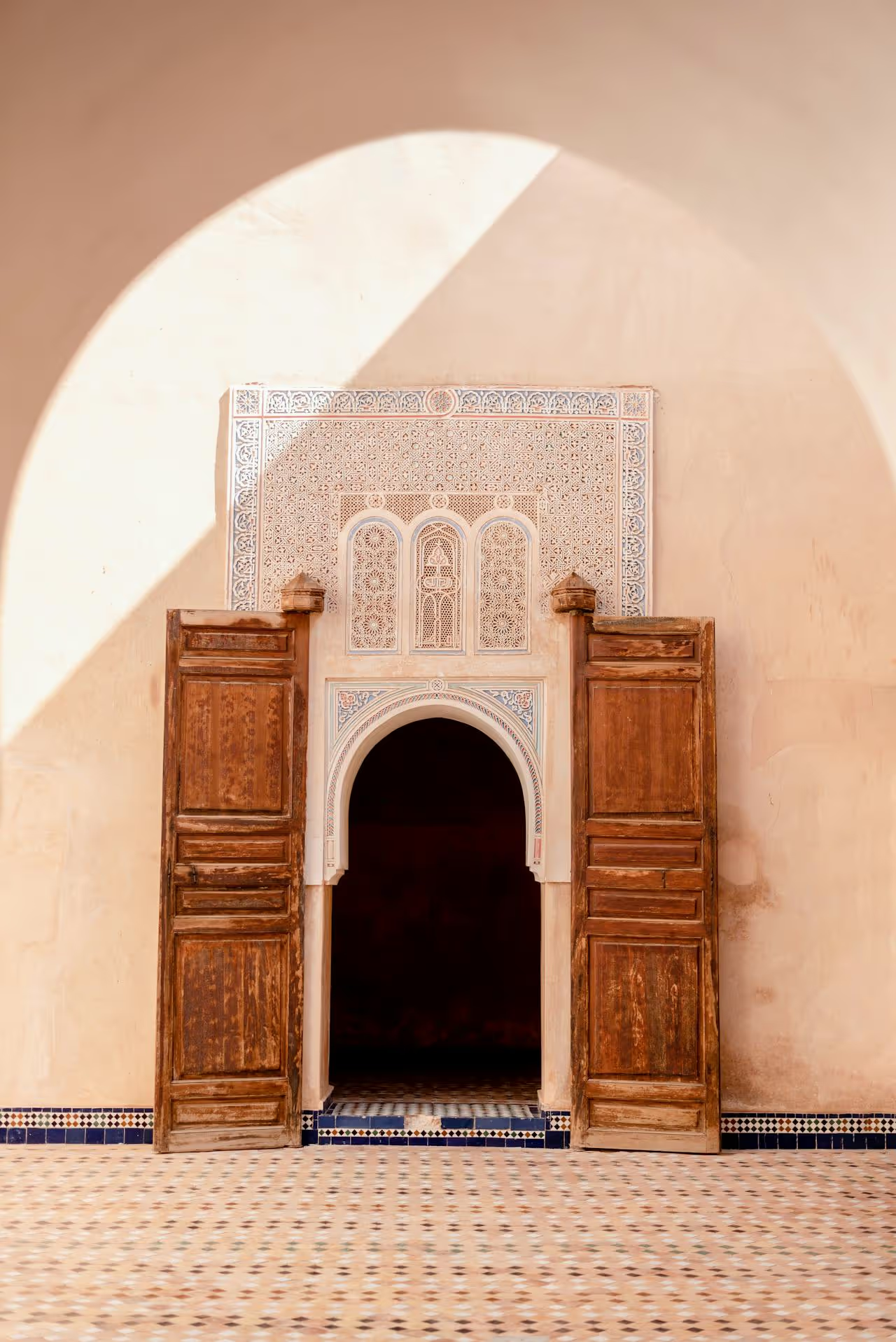
Morocco remains a cornerstone for design travelers — but in 2026, expect a shift from the predictable riad aesthetic toward something more experimental. In Marrakech, boutique riads and art hotels are blending traditional zellige tiles with brutalist concrete and contemporary art. The YSL Museum continues to anchor the fashion-meets-design scene, while Essaouira and Rabat emerge as creative sanctuaries for textile designers and architects exploring Moroccan geometry in new ways.
Morocco’s beauty lies in contrast — the handmade and the modern, the quiet courtyard and the chaos beyond the door. Every corner is texture, color, and line.
Go to our Marrakesh guide with all our favorite eats, stays, drinks and visits!
Japan
In summary: the purity of form and impermanence.
For the design-obsessed, Japan is less a destination and more a state of mind. Every surface, sound, and silence here has intent. In 2026, Tokyo continues to blend cutting-edge architecture with ritual precision — from Kengo Kuma’s wooden geometries to underground art hotels that interpret Zen for a digital generation.
Further afield, Naoshima and Teshima remain pilgrimages for design travelers — islands where architecture, nature, and art blur into one experience. Meanwhile, Kyoto and Kanazawa embrace a quiet revival of craftsmanship, from washi paper ateliers to ryokans designed by contemporary masters. Japan, as ever, is minimalism elevated to poetry.
Go to our Tokyo guide with all our favorite eats, stays, drinks and visits!
Go to our Kyoto guide with all our favorite eats, stays, drinks and visits!
Go to our Osaka guide with all our favorite eats, stays, drinks and visits!