Solo, But Not Lonely: Why Slow Luxury Travel Is Better Alone
Last update: February 7th, 2026 · Curated by THE FINE CIRCLE
Luxury solo travel is no longer about independence—it’s about intention. In 2026, a growing number of high-end travelers are embracing slow luxury travel alone: fewer destinations, deeper presence, and experiences designed for privacy, wellness, and autonomy. This guide explores why solo travel has become the ultimate luxury—and where to experience it best.
How we curated this edit
We don't recommend from a distance. Every place in this edit has been experienced firsthand by THE FINE CIRCLE. We pair those visits with trusted local knowledge and independent research, then keep the list tight. The result: places we genuinely believe are worth your time. Think of it as the places we'd actually send a friend to.
For decades, solo travel was framed as either a "gap year" rite of passage or a brave act of defiance. But in 2026, the narrative on travelling alone has shifted. We have entered the era of Slow Luxury, where the most expensive commodity isn’t a gold-plated suite—it’s the permission to be entirely, unapologetically yourself.
The old fear of the "lonely dinner for one" is being replaced by a craving for intentional solitude—a defining trait of modern luxury solo travel, where privacy, autonomy, and restoration outweigh social performance. High-end travelers are realizing that the ultimate restoration happens when you aren’t negotiating itineraries or performing for a companion. Whether it’s a sleep-optimization retreat in the Kiso Valley or a private villa on the Azores’ volcanic cliffs, the new luxury is about silence, autonomy, and the space to hear your own thoughts.
Being solo isn't a compromise anymore; it’s a power move. To truly master this shift, one must choose destinations where the architecture, service, and culture are designed for the individual soul.
Our top 3 destinations for solo travel in 2026
1. Kiso Valley — The Art of Ohitorisama

While Tokyo and Kyoto grapple with 2026’s new overtourism regulations, the ancient Nakasendo Way remains a sanctuary for those practicing Ohitorisama—the Japanese art of doing things alone with dignity.
- The experience: a walking journey through Edo-period post towns like Magome and Tsumago.
- Solo luxury factor: Ryokans here provide anticipatory solitude. Expect hyper-local Kaiseki meals served in-room, removing the social friction of traditional dining.
- Tip: If you visit in spring, skip the crowded cherry blossom spots and head to the Kiso Cypress forestsfor "Shinrin-yoku" (forest bathing).
Where to stay
- Tsutaya Tokinoyado Kazari (Kiso Valley): known for private open-air onsens that remove the "public bath" anxiety for solo westerners.
- Hotel Fukinomori (Nagiso): a boutique "forest hideaway" that offers private shuttles, making the remote Kiso Valley accessible for those without a car.
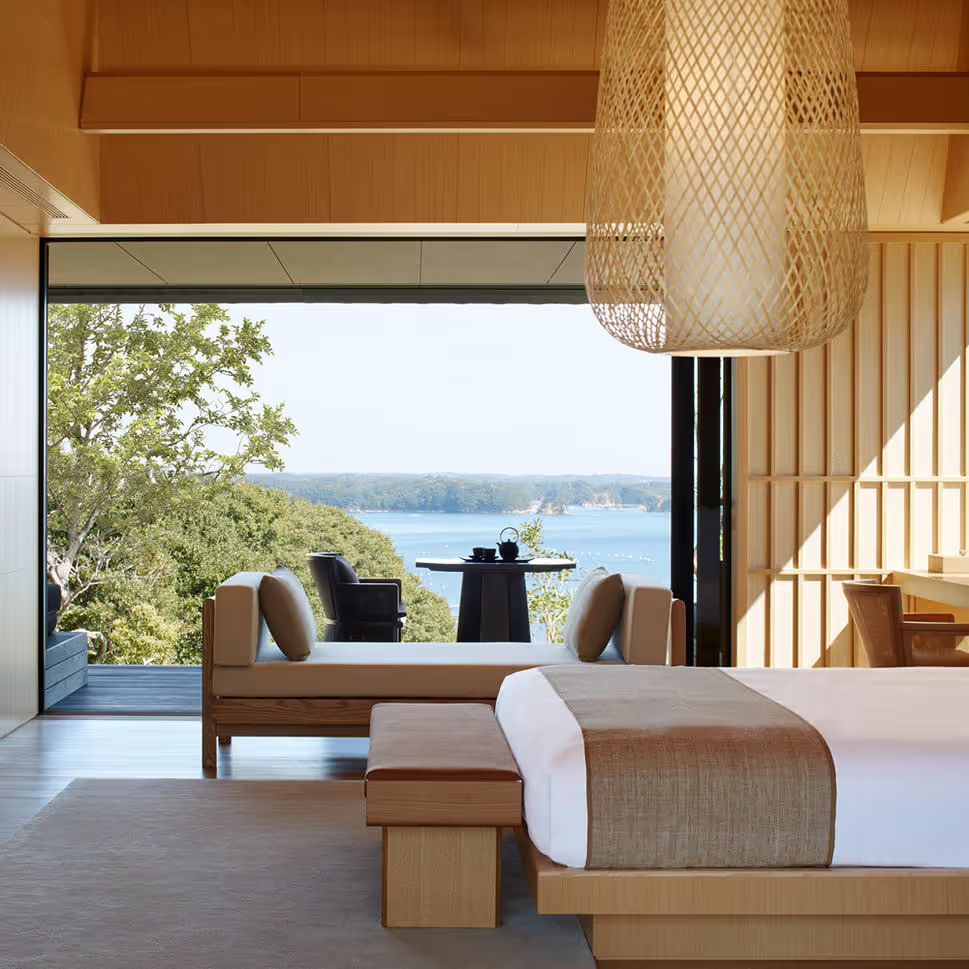
- To finish your trip, a 3-hours drive away from the Kiso Valley but really worth it is Amanemu (Ise-Shima). While pricier, their wellness retreats include bespoke spa itineraries that fill your day with purpose.
2. Norway: The Ultimate "Coolcation"

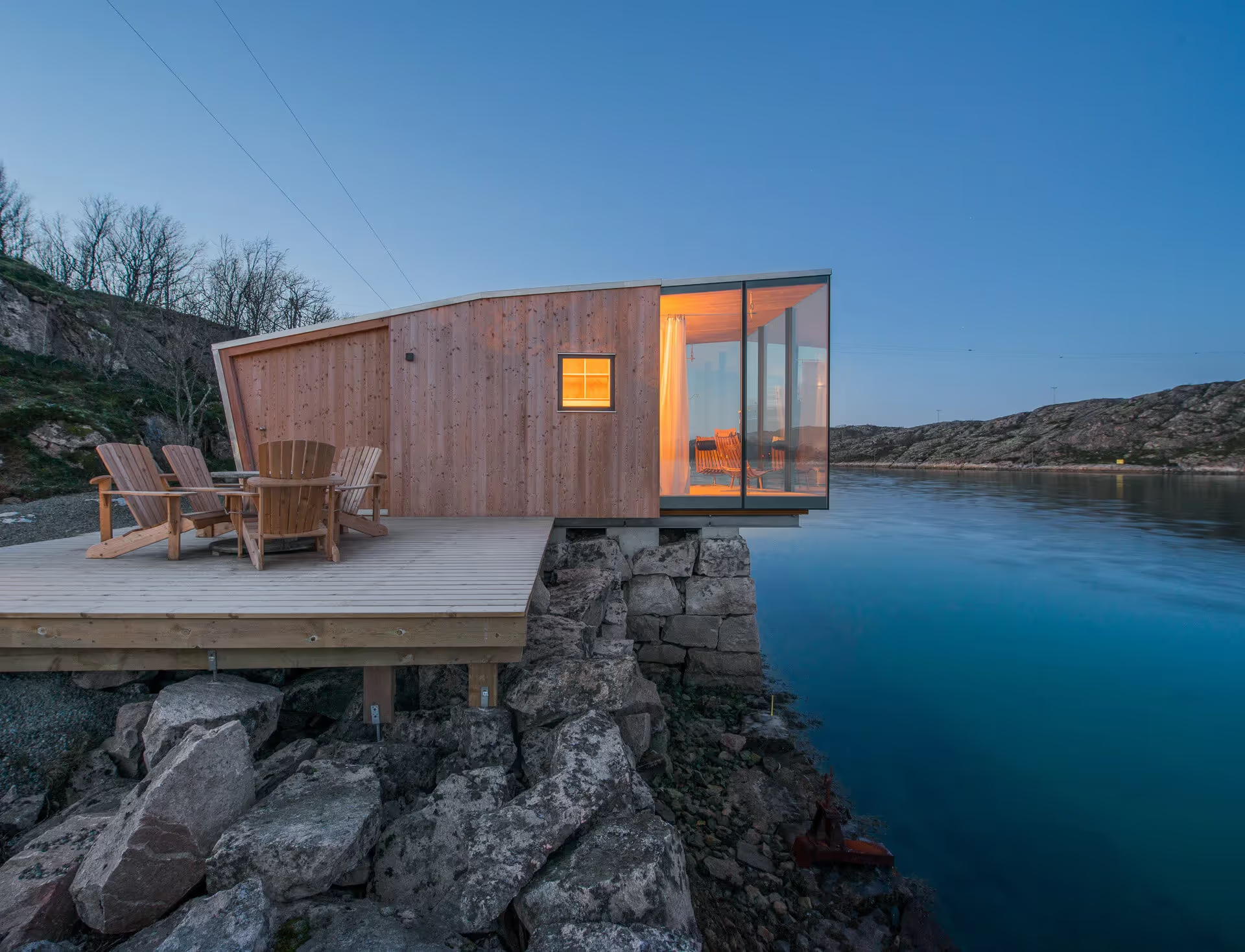
Northern Norway is the 2026 benchmark for "architectural solitude". This is the destination for the soloist who wants to "disappear" into the landscape without sacrificing 5-star comfort.
- The experience: staying in cantilevered sea cabins with floor-to-ceiling glass over the Arctic fjords.
- Solo luxury factor: she Norwegian concept of Friluftsliv (open-air living) makes being alone in nature feel like a luxury accomplishment rather than a lonely experience.
Where to stay
- Manshausen Island (Steigen): sea cabins designed by polar explorers. The floor-to-ceiling glass means you are "with" the nature, never alone.
- Wolf Lodge (Bardufoss): an ultra-private sanctuary where you can observe wolves from your window.
3. The Azores, Portugal: "Elemental Wellness"
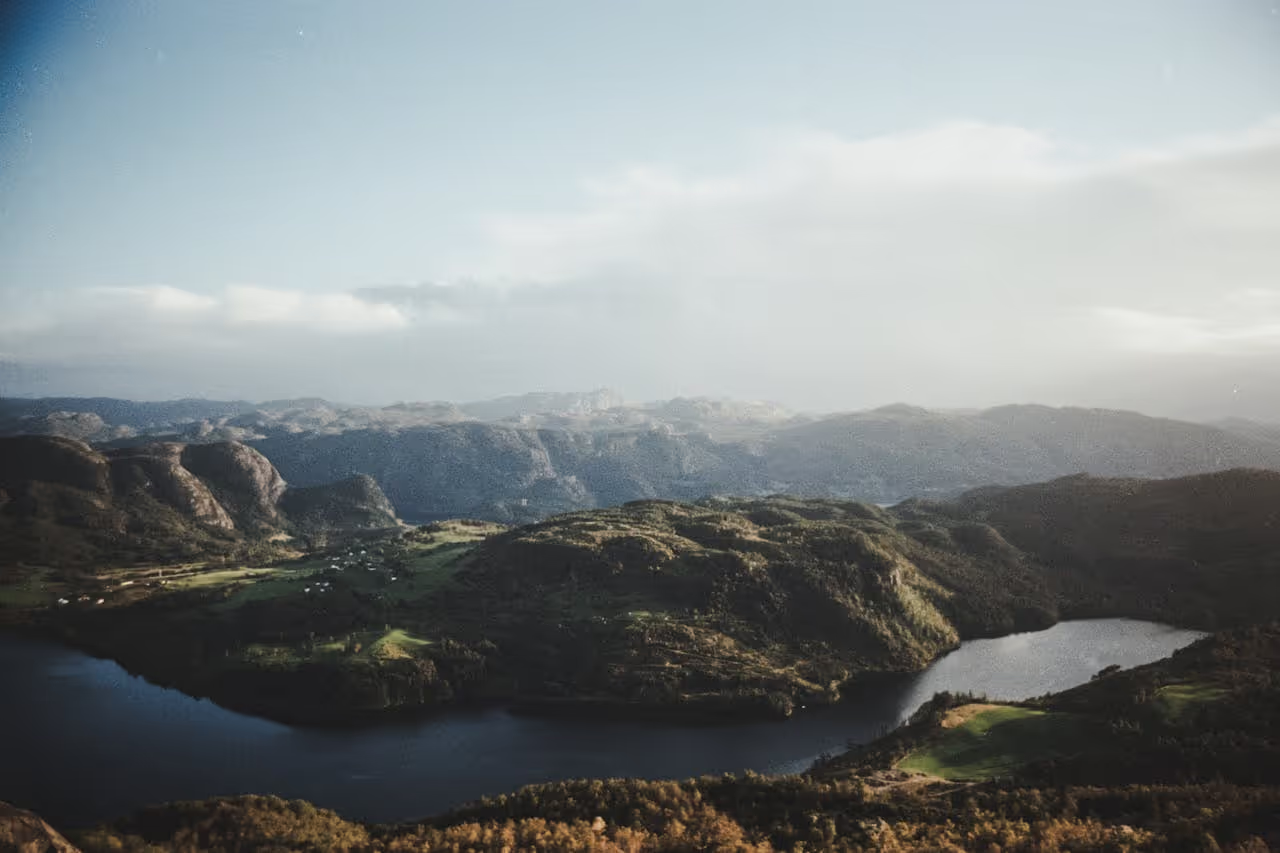
Located in the middle of the Atlantic, the Azores is 2026’s premier destination for geothermal wellness and nature-led restoration.
- The experience: soaking in iron-rich thermal pools at Terra Nostra and walking through Europe’s only tea plantations.
- Solo luxury factor: the islands are a destination of rituals. It is easy to navigate solo, offering a sense of "Middle Earth" adventure with safe infrastructure.
Where to stay
- White Exclusive Suites & Villas (São Miguel): minimalist, adults-only, and focused on the sound of the Atlantic.
- Terra Nostra Garden Hotel (Furnas): grants 24-hour access to volcanic thermal pools, allowing solo guests to soak under the stars long after the day-trippers leave.
- Santa Bárbara Eco-Beach Resort: offers "Villas with Plunge Pools" that prioritize total seclusion on the island’s north coast.

As we navigate the travel landscape of 2026, it is clear that the ultimate status symbol is no longer the destination itself, but the quality of the attention you pay to it. Choosing to travel solo to the Kiso Valley, the Arctic fjords of Norway, or the volcanic peaks of the Azores is not an act of isolation—it is an act of intentional restoration.
The true emotional advantage of "slow luxury" lies in the absence of interpersonal friction. By removing the need to negotiate, perform, or compromise, you reclaim your most valuable cognitive assets and focus on yourself. The world stops demanding things from you, allowing you to finally hear your own internal rhythm again. This is why slow luxury solo travel has become the ultimate expression of modern wealth: time, attention, and inner calm.
In a hyper-connected, over-stimulated world, the boldest luxury move you can make is to simply go quiet. Whether you are forest bathing in Japan or watching the midnight sun in a Norwegian sea cabin, remember: you aren't traveling alone; you are traveling with the person you've likely neglected most—yourself.