5 Design-Led Ryokans in Japan for a Beautiful Stay
Last update: August 18th, 2026 · Curated by THE FINE CIRCLE
Japan has no shortage of extraordinary ryokans, but the most memorable ones do more than offer tatami mats, kaiseki dinners, and hot spring baths. The best design-led ryokans in Japan turn the entire stay into a spatial experience: architecture, materials, light, craft, and ritual all working together to slow you down properly. In the best of them, design is not decoration. It is the mood, the pacing, and the point.
For travelers who care as much about atmosphere as they do about service, these are the kinds of places that stay with you long after checkout. Some lean deeply traditional, some feel more contemporary, and some sit in that rare sweet spot where heritage and modern design meet without getting precious about it. Here are five design-led ryokans in Japan worth knowing.
How we curated this edit
We don't recommend from a distance. Every place in this edit has been experienced firsthand by THE FINE CIRCLE. We pair those visits with trusted local knowledge and independent research, then keep the list tight. The result: places we genuinely believe are worth your time. Think of it as the places we'd actually send a friend to.
1. Gora Kadan, Hakone
If there is a grand old name in the world of luxury ryokans, it is Gora Kadan. The property sits on the grounds of what was once the summer villa of the Kan’in-no-miya branch of the Imperial Family, and that lineage still gives the place an unusual sense of calm authority. It feels refined without feeling theatrical, which is harder to pull off than the luxury internet would have you believe.
Our take: what makes Gora Kadan particularly compelling for a design-minded traveler is the way it balances architectural clarity with traditional Japanese hospitality. It is not a ryokan that relies on cute nostalgia. Instead, it leans into restrained materials, generous space, and the kind of quiet precision that makes everything feel inevitable. It is the sort of place for people who like their luxury whispered, not shouted through a marble megaphone.

2. Asaba Ryokan, Shuzenji
Few ryokans in Japan feel as quietly legendary as Asaba. Set in Shuzenji, in the Izu Peninsula, it has the kind of timeless beauty that makes many newer luxury properties feel slightly overdesigned by comparison. This is not a place chasing trends. It already won.
Our take: what makes Asaba so remarkable is its stillness and sense of continuity. The architecture is deeply traditional, but the experience feels profoundly refined rather than museum-like. Its views over the garden and iconic nō stage create a mood that is almost cinematic in its restraint. Everything here feels edited to the essential: light, wood, water, silence, proportion. For anyone interested in the emotional power of Japanese design, Asaba is not just a beautiful ryokan; it is practically a masterclass.
3. Yufuin Tamanoyu
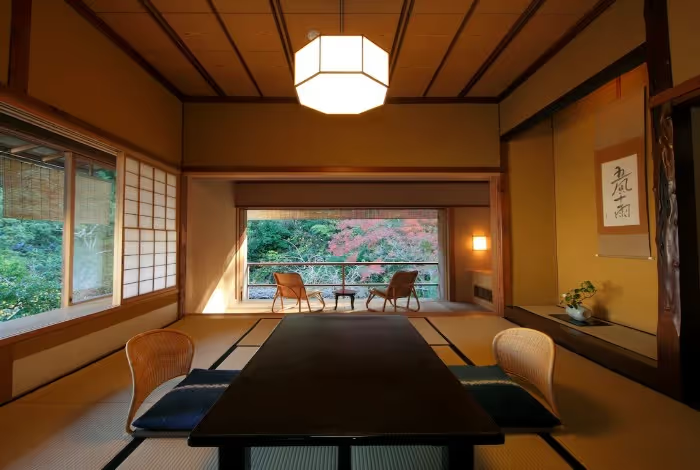
Yufuin Tamanoyu has a different energy: warmer, softer, more rural, and deeply tied to the sensory pleasures of its setting. Its official English site notes that it began as a sanatorium for Zen priests and has been adapted since 1953 into a modern hotel while preserving its traditional character. That alone gives it a lovely foundation — a stay shaped around calm rather than display.
Our take: its appeal lies in how naturally it blends vernacular charm with understated refinement. This is the kind of ryokan that feels lived-in, grounded, and emotionally generous rather than over-styled. For a design-led list, it earns its place because good design is not always about dramatic architecture; sometimes it is about mood, continuity, and making simplicity feel rich.
4. Hoshinoya, Kyoto
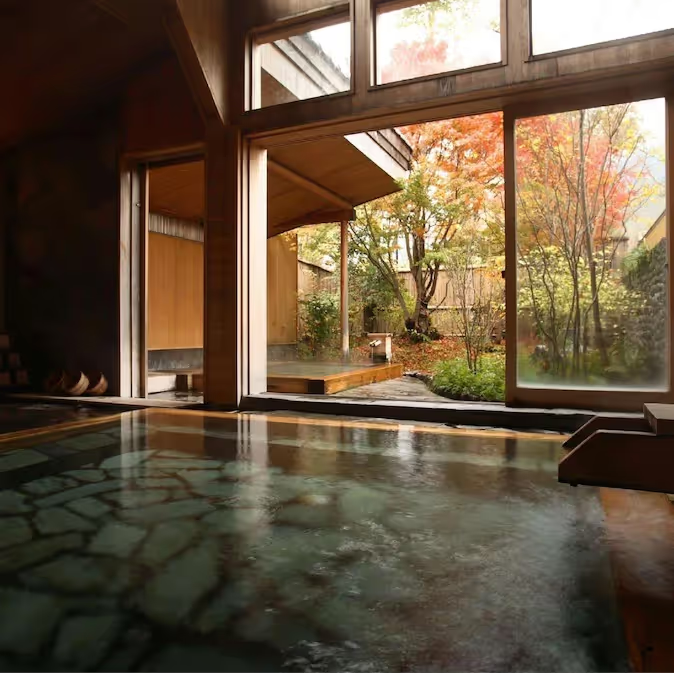
Hoshinoya Kyoto brings a more polished and immersive take on the ryokan format. Located in Arashiyama, the property is reached by private boat from Togetsukyo Bridge, and every room has a river view. That arrival sequence alone already tells you this is a place designed as an experience, not just a booking confirmation with a bed attached.
Our take: its design appeal comes from the way it stages Kyoto’s landscape and cultural atmosphere with precision. The property sits somewhere between luxury ryokan, architectural retreat, and cinematic hideaway. It feels highly considered without becoming cold, and that balance is hard to nail. For travelers who want a design-led stay in Kyoto that still feels transportive and rooted in place, Hoshinoya Kyoto is one of the strongest names to know.
5. Onyado Chikurintei
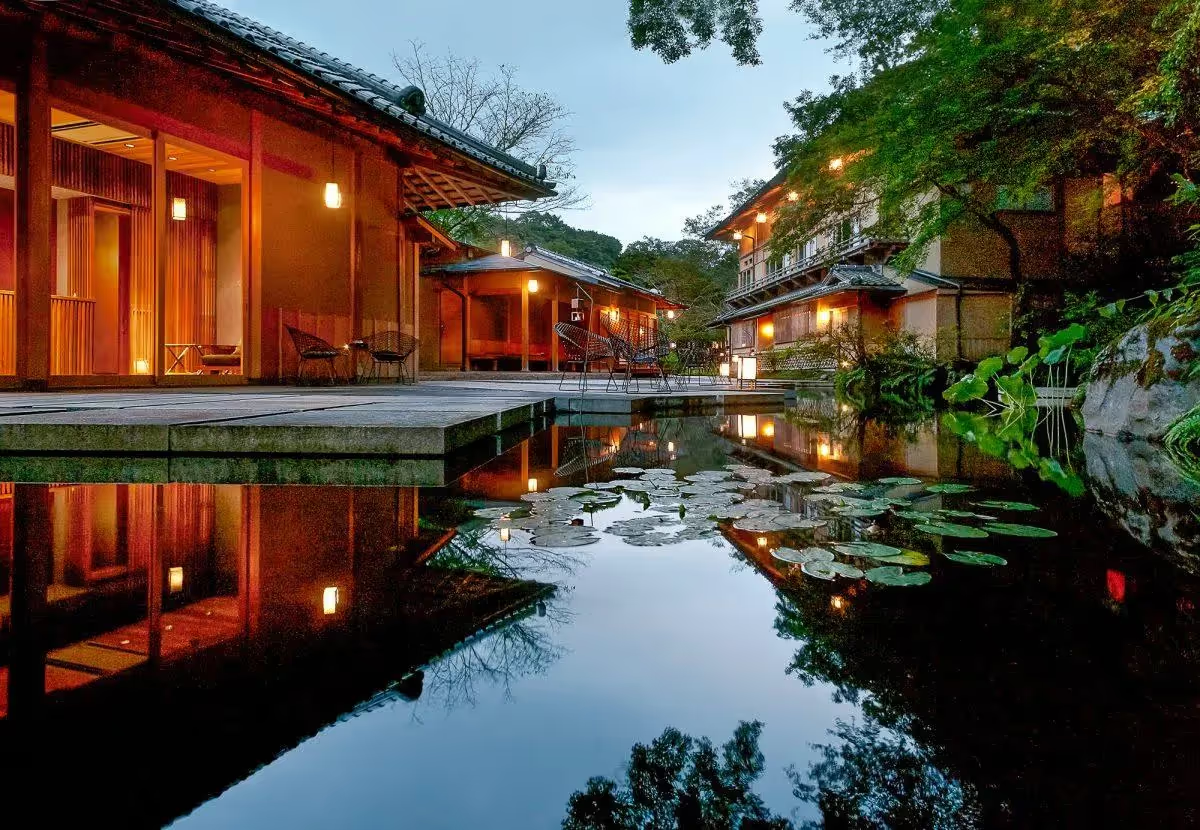
Onyado Chikurintei, in Takeo Onsen in Saga Prefecture, brings a more hidden-gem flavor to this list. Its official site positions it as a high-end Japanese ryokan. The property’s atmosphere is defined by quiet elegance and a strong material sensibility.
Our take: one of the most distinctive details is the long cloister connecting the guestrooms, covered with 200 tatami mats so guests can walk barefoot and feel their texture directly. That is exactly the sort of detail that makes a ryokan feel design-led in a meaningful way: not just beautiful to look at, but tactile, embodied, and sensorially precise. It is a reminder that great hospitality design lives in how a place is experienced through the body, not just through the camera lens.

Why design-led ryokans in Japan feel so special
What makes these ryokans stand out is not simply that they are beautiful. Plenty of places are beautiful in the boring, copy-paste sense. These work because the design is inseparable from the rhythm of the stay: the threshold into the room, the framing of the garden, the texture of tatami, the timing of tea, the sequence from bath to dinner to sleep. Michelin has described the contemporary evolution of the ryokan as a reinvention of the form, and that is exactly the interesting part: Japan’s best ryokans are not frozen in time, they are actively refining what slow luxury can look like now.
For travelers looking for the best design-led ryokans in Japan, these five offer different moods but the same underlying promise: a stay shaped by intention. Imperial heritage in Hakone, art-driven immersion, Kengo Kuma restraint, Kyoto’s total cultural elegance, or a modern Tokyo reinterpretation of the ryokan format. Different flavors, same seduction.
Worth knowing: the most beautiful ryokans in Japan are not always the most ornate. Often, they are the ones that understand editing, silence, and the emotional power of space. A great design-led ryokan makes you notice the grain of the wood, the softness of the light, the exact shape of stillness. Which is a rather magical trick in a world determined to turn every trip into a content treadmill.
Discover our full Tokyo guide with our favorite gems: restaurants, visits, hotel and more!
Discover our full Osaka guide with our favorite gems: restaurants, visits, hotel and more!
Discover our full Kyoto guide with our favorite gems: restaurants, visits, hotel and more!