The Most Private Resorts in the Maldives (And Who They’re Really For)
Last update: February 7th, 2026 · Curated by THE FINE CIRCLE
In the Maldives, privacy is often assumed — but rarely examined. From above, every island looks untouched, perfectly spaced between turquoise lagoons and endless sky. On the ground, the reality is more nuanced. Not all “private” resorts offer the same experience of seclusion, and not every traveler is seeking the same kind of distance from the world.
For the modern luxury traveler, privacy is no longer about isolation for its own sake. It’s about control: over space, over time, over interaction. It’s about choosing when to engage and when to disappear. And in the Maldives, where discretion is both an art and a selling point, the difference lies not in how exclusive a resort claims to be, but in who it is truly designed for.
This guide explores the most private resorts in the Maldives, through a value-driven lens — matching different definitions of privacy with the travelers they suit best. Because the most successful stays aren’t the most expensive ones, but those that feel instinctively aligned with each traveler’s values.
How we curated this edit
We don't recommend from a distance. Every place in this edit has been experienced firsthand by THE FINE CIRCLE. We pair those visits with trusted local knowledge and independent research, then keep the list tight. The result: places we genuinely believe are worth your time. Think of it as the places we'd actually send a friend to.
What Privacy Really Means in the Maldives
Privacy in the Maldives is multi-layered, and it goes far beyond villa size or price point. True seclusion is the result of dozens of quiet decisions made at design and operational level.
- Island scale plays a crucial role: smaller islands with fewer villas tend to feel calmer, even at full occupancy, while larger islands only work if spacing and circulation are carefully planned.
- Villa orientation matters just as much — sightlines, sound travel, and natural buffers like vegetation or water can make the difference between feeling alone and feeling observed.
- Arrival is another defining factor. Resorts with controlled, direct arrivals immediately set a tone of discretion, while shared transfers introduce friction before the stay even begins.
- Dining philosophy also shapes privacy: properties that normalize in-villa dining or flexible schedules reduce social pressure, while centralized restaurants naturally create moments of overlap.
- Finally, guest profile changes everything. A resort frequented by honeymooners feels very different from one popular with families or wellness travelers. The most private resorts succeed because they are honest about who they welcome.
The Nautilus Maldives
Best for: Ultra-discreet travelers, solo guests, couples who value autonomy
Not ideal for: Travelers who want spectacle, social buzz, or visible luxury cues
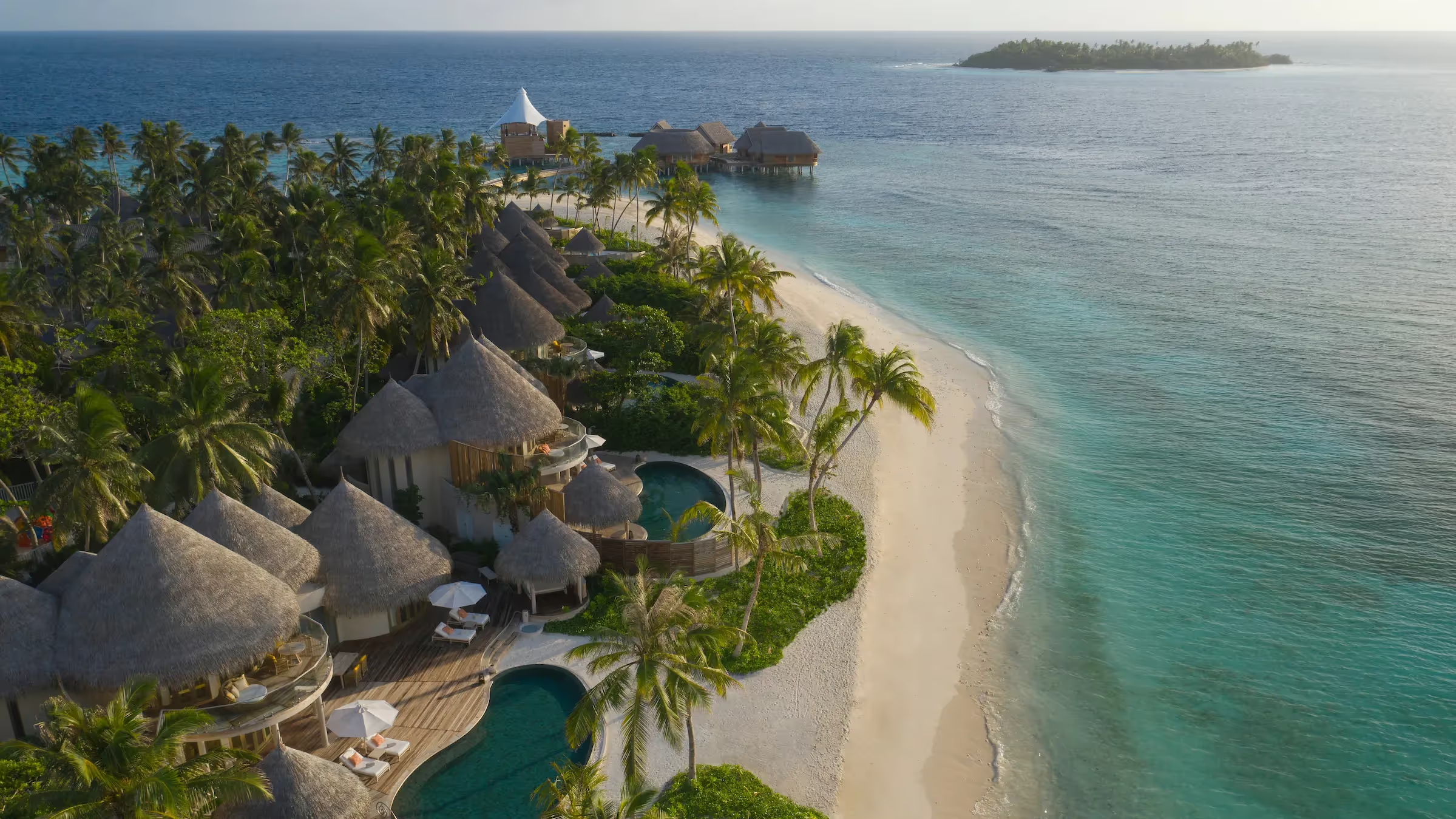
The Nautilus is one of the Maldives’ most convincing interpretations of modern privacy. With just a small number of private houses and an intentionally unstructured philosophy, the island feels closer to a private retreat than a traditional resort.There are no fixed dining hours, no dress codes, and no imposed schedules. Guests move entirely on their own terms, and crossings with others are rare unless actively chosen. Service is personal but unobtrusive, and the atmosphere remains calm even at full occupancy.
Velaa Private Island
Best for: people who want privacy without isolation, couples, honeymooners, discreet celebration trips
Not for: travelers seeking radical simplicity or minimalism
Velaa balances privacy with polish. Villas are architecturally shielded, arrival is controlled, and the island layout prevents accidental overlap between guests. Yet there is still a sense of refinement and choice — dining venues, spa rituals, and curated experiences that feel intentional rather than social.Privacy here is controlled exposure: you decide when to be seen.

Joali Being
Best for: Wellness travelers, solo guests, structured retreats
Not for: Guests who associate privacy with total freedom or unstructured days
Joali Being offers a different form of privacy — one shaped by rhythm and routine. Villas are secluded, yes, but the real strength lies in how the resort organizes time. Guests move through wellness programs, treatments, and nutrition plans that reduce decision fatigue and social friction. You’re not hiding here. You’re protected by structure.
Patina Maldives
Best for: Design-forward travelers who value space and restraint
Not for: Guests seeking classic Maldivian romance
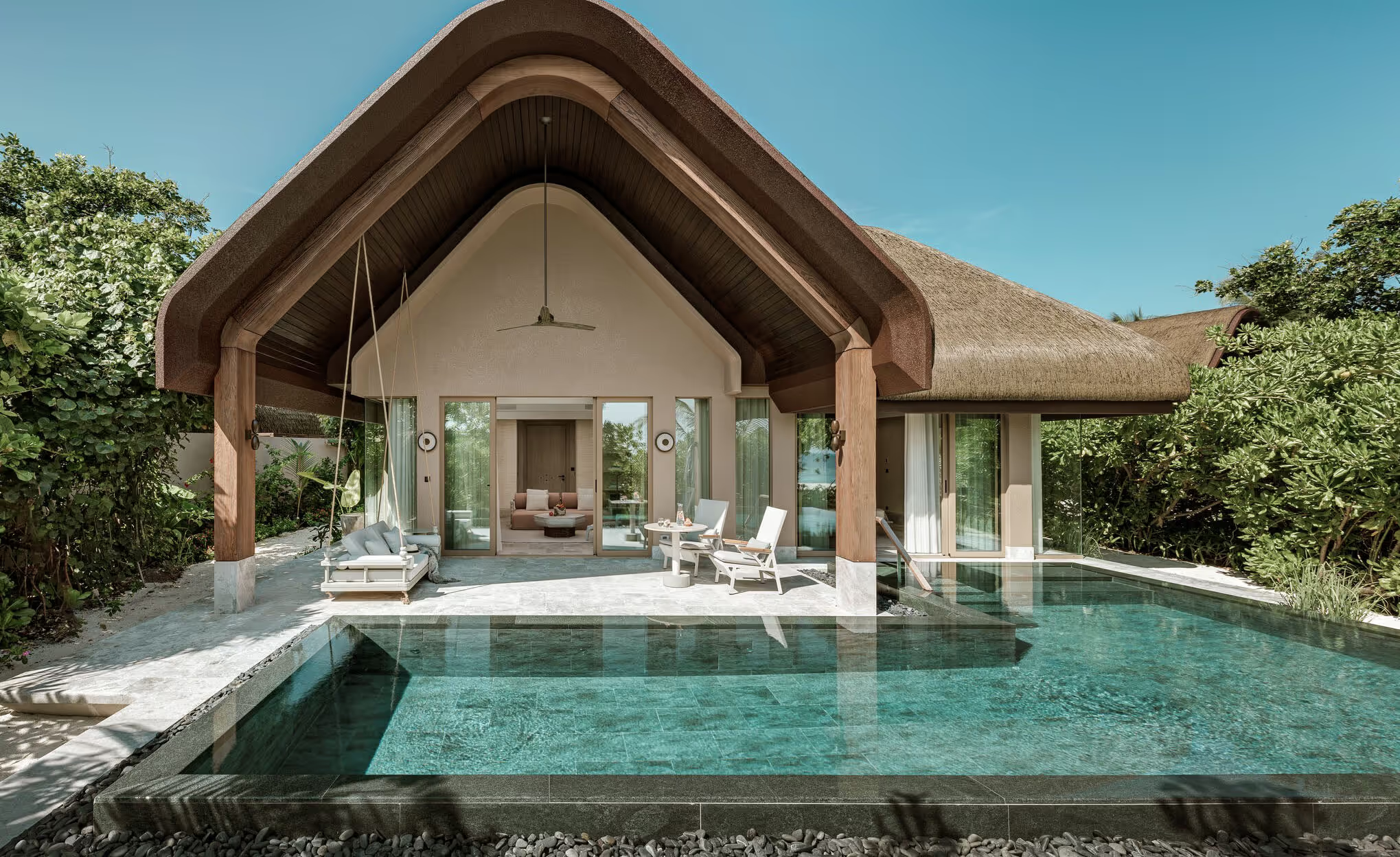
Patina is often misunderstood as social because of its contemporary design language — but in reality, privacy is engineered through spacing, sound design, and scale. Villas feel autonomous, and even shared spaces never feel crowded. This is privacy for travelers who don’t want to feel hidden, but do want to feel unbothered.

Soneva Fushi
Best for: Families, multi-generational trips, long stays
Not for: Travelers who want sleek, urban luxury aesthetics
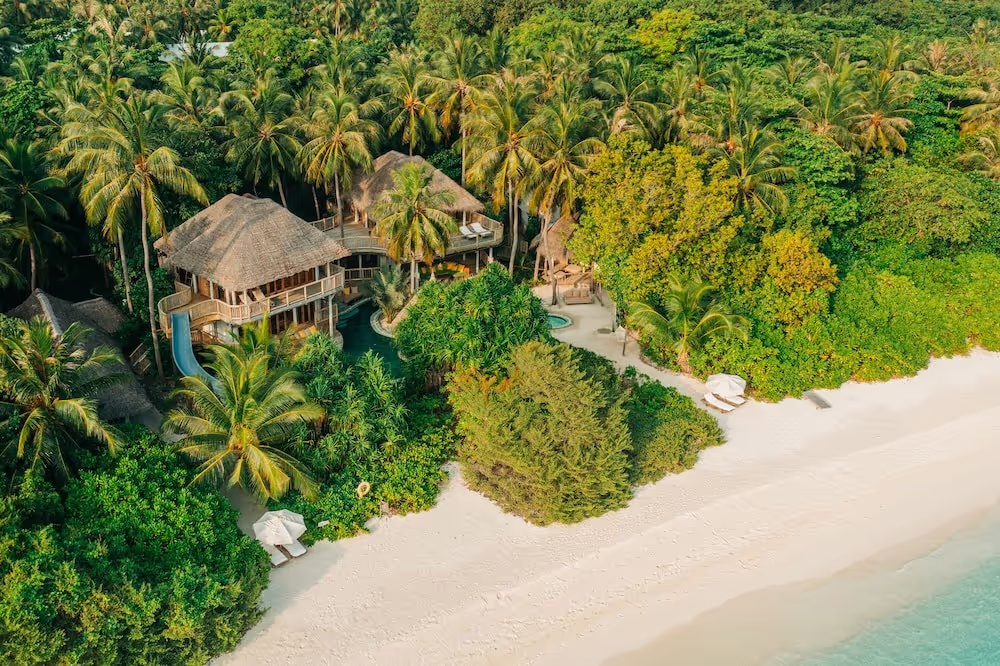
True privacy for families means something different: space, flexibility, and freedom without friction. Soneva Fushi excels at this. Villas are deeply set into jungle, service adapts quietly, and children are absorbed into experiences without overwhelming the island. Privacy here is about coexisting without collision.
The most common mistake travelers make in the Maldives is assuming that price guarantees privacy. It doesn’t. True privacy emerges when a resort’s philosophy aligns with a guest’s values — whether that means autonomy, wellness, discretion, design, or family ease.
The most private resorts are not trying to appeal to everyone. They are intentionally built for specific ways of traveling, with architecture, service, and pacing that quietly reinforce those choices. When that alignment is right, privacy doesn’t need to be requested or protected.
It simply exists.